

Blog Posts
How to Frame Digital Art on a Budget: 7 Ways to Make It Look Expensive
A practical guide to framing digital art affordably with ready-made frames, better mats, smart sizing, glazing choices and thoughtful mounting.
 Apr 22, 20267 min read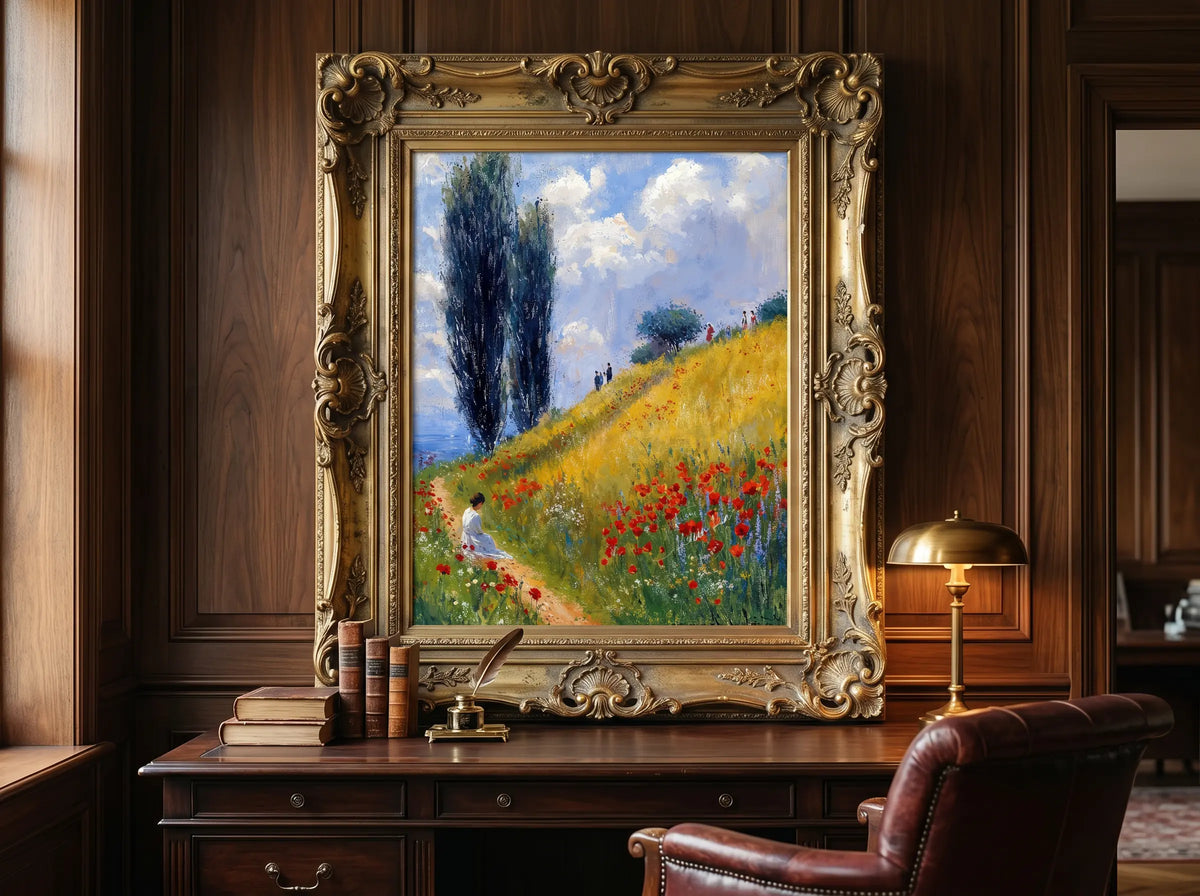
On this page
How to frame digital art on a budget: the quick answer
You do not need custom framing to make digital art look polished. Start with a frame that fits a standard print size, choose a good-quality mat when the artwork benefits from one, and upgrade the glazing only when reflections, weight, or clarity are actually a problem. A few thoughtful choices around proportion, spacing, and materials usually matter more than the price of the frame itself.
Framing is where an affordable print can suddenly become an expensive project. Most of the visual impact, however, comes from getting a handful of decisions right: scale, proportion, matting, frame profile, glazing, and mounting.
This guide shows you where to spend, where to save, and how to make a ready-made frame feel considered rather than temporary.
1. Start with the artwork, not the frame
Before shopping for a frame, decide the size you want to print, whether the composition benefits from a mat, and how large the finished piece should feel on the wall. Working in that order prevents a common budget mistake: buying a frame first and then forcing the artwork to fit it.
Standard print and frame dimensions give you more ready-made choices, but the correct size depends on the artwork's aspect ratio. A 3:4 image and a 4:5 image are different shapes even when their overall dimensions look similar.
Use our digital art aspect-ratio guide before printing. If you are preparing the file yourself, the digital art printing guide covers resolution, DPI, file format, paper, canvas, and print-lab choices.
The cheapest framing mistake to avoid is paying for a beautiful frame that is the wrong shape or scale for the artwork.
2. Upgrade the mat before buying a more expensive frame
A mat can change the entire presentation because it creates breathing room between the artwork and the frame. A clean bevel and well-proportioned border can make a simple frame feel more deliberate without requiring decorative moulding.
For work you want to preserve, look for mat board described by the supplier as acid-free, conservation-quality, or otherwise appropriate for long-term framing. The exact material matters more than a vague premium label.
Matting is not mandatory. Some images look stronger when they run visually closer to the frame, while others benefit from a generous border. Our matted vs. full-bleed framing guide explains how the choice changes the visual weight of the piece.

3. Use ready-made frames strategically
A ready-made frame can look excellent when its proportions suit the artwork. Focus first on the profile, rigidity, finish, and fit rather than assuming a higher price automatically produces a better result.
When comparing affordable frames, check the frame profile, mat opening, glazing, backing, and hanging hardware. Simple profiles are especially forgiving because they let the artwork carry the visual attention.
4. Upgrade glazing only when it solves a problem
Glazing protects a paper print and affects how clearly you can see it, but an expensive upgrade is not automatically necessary. Think about the actual room before spending more.
If strong reflections make the image difficult to see, a lower-reflection option may be worthwhile. If weight or breakage is a concern, acrylic may be preferable to glass. If preservation is important, compare the manufacturer's stated UV-filtering and conservation properties rather than relying on broad labels.
Do not pay for an upgrade because it sounds premium. Upgrade when it fixes a visible or practical problem.
For a deeper comparison, see our guide to acrylic vs. glass for art framing.
5. Consider a float mount for the right artwork
A float mount leaves the paper edge visible and can create a subtle shadow around the print. It works particularly well when the paper itself is part of the presentation or when you want a lighter, contemporary alternative to a traditional mat.
The mounting method should match the value and permanence of the work. For valuable, original, or irreplaceable pieces, favor reversible archival methods or ask a professional framer.
6. Give vintage frames a second life
Secondhand frames can offer interesting proportions, solid construction, and character at a modest cost. Check the corners and joints, look for warping, inspect the glazing and backing, test the hanging hardware, and measure the actual opening.
Not every vintage frame needs to be painted. An aged wood or metal finish can be exactly what makes the final piece feel collected rather than mass-produced.

7. Use standard sizing to keep framing options open
Unusual dimensions can be beautiful, but they often reduce the number of ready-made frames available. If budget is the priority, choosing a print size that corresponds to readily available framing options can keep the project simpler.
The important distinction is between artwork size, mat opening, and frame size. They are related, but they are not necessarily the same measurement.
Before ordering anything, confirm the artwork's aspect ratio and the actual frame opening.
Where should you spend your framing budget?
| Decision | Budget impact | Visual or practical impact | Priority |
|---|---|---|---|
| Correct print and frame proportions | Low | Very high | Start here |
| Better mat where appropriate | Low–moderate | High | High |
| Simple ready-made frame | Low–moderate | High | High |
| Better glazing | Moderate | Situationally high | As needed |
| Reversible or professional mounting | Moderate | High for valuable work | As needed |
| Decorative or custom moulding | High | Variable | Usually later |
A simple budget-framing sequence: print at a compatible size → choose a simple ready-made frame → decide whether the composition benefits from a mat → solve glare only if necessary → spend the remaining budget on details you can actually see.
How to make mixed frames feel intentional
You do not need a strict three-color formula or identical frames to create coherence. A collection can feel connected through one or two repeated decisions: similar frame finishes, consistent mat colors, related artwork palettes, repeated spacing, compatible scale, or a clear visual rhythm.
For multiple pieces, lay the arrangement out before hanging. Our gallery wall planning guide covers spacing, layout, sizing, and visual balance. Renters can also use the rental-friendly wall art guide.
Frequently asked questions
Can you put a digital art print in a regular picture frame?
Yes. A digital art print can go into a ready-made picture frame as long as the printed dimensions, aspect ratio, mat opening, and frame opening are compatible.
How do you make an inexpensive frame look better?
Start with proportion and presentation. A simple frame can look more polished when the artwork is correctly sized, the mat is well proportioned, the backing sits flat, and the frame finish works with the image.
Should digital art be framed with a mat?
Not always. A mat can add breathing room and a more traditional gallery presentation, while full-bleed or float-mounted approaches can feel more contemporary.
Is glass or acrylic better for framing prints?
Neither is universally better. Glass can offer good clarity and scratch resistance, while acrylic is lighter and more resistant to breakage. Reflection, weight, handling, cost, and stated conservation properties should guide the choice.
What size frame should I use for a digital print?
Use a frame that matches the print dimensions directly, or a larger frame with a mat whose opening is designed for the print. Check the digital file's aspect ratio first.
A better frame is really a better set of decisions
Budget framing works best when you treat the presentation as a system rather than spending everything on the outer frame. Start with the correct proportions, choose a mat only when it improves the composition, use a structurally sound frame, and upgrade glazing or mounting when the artwork actually needs it.
The goal is not to make an inexpensive frame pretend to be expensive. It is to make the artwork feel properly considered. When scale, spacing, materials, and finish work together, even a straightforward ready-made frame can feel at home in a thoughtful interior.


Art worth living with


