

Blog Posts
Color Psychology in Wall Art: How to Choose Art Colors for Every Room
A practical room-by-room guide to choosing wall art colors using mood, palette balance, lighting, print material, and artwork scale.
 Jun 25, 20256 min read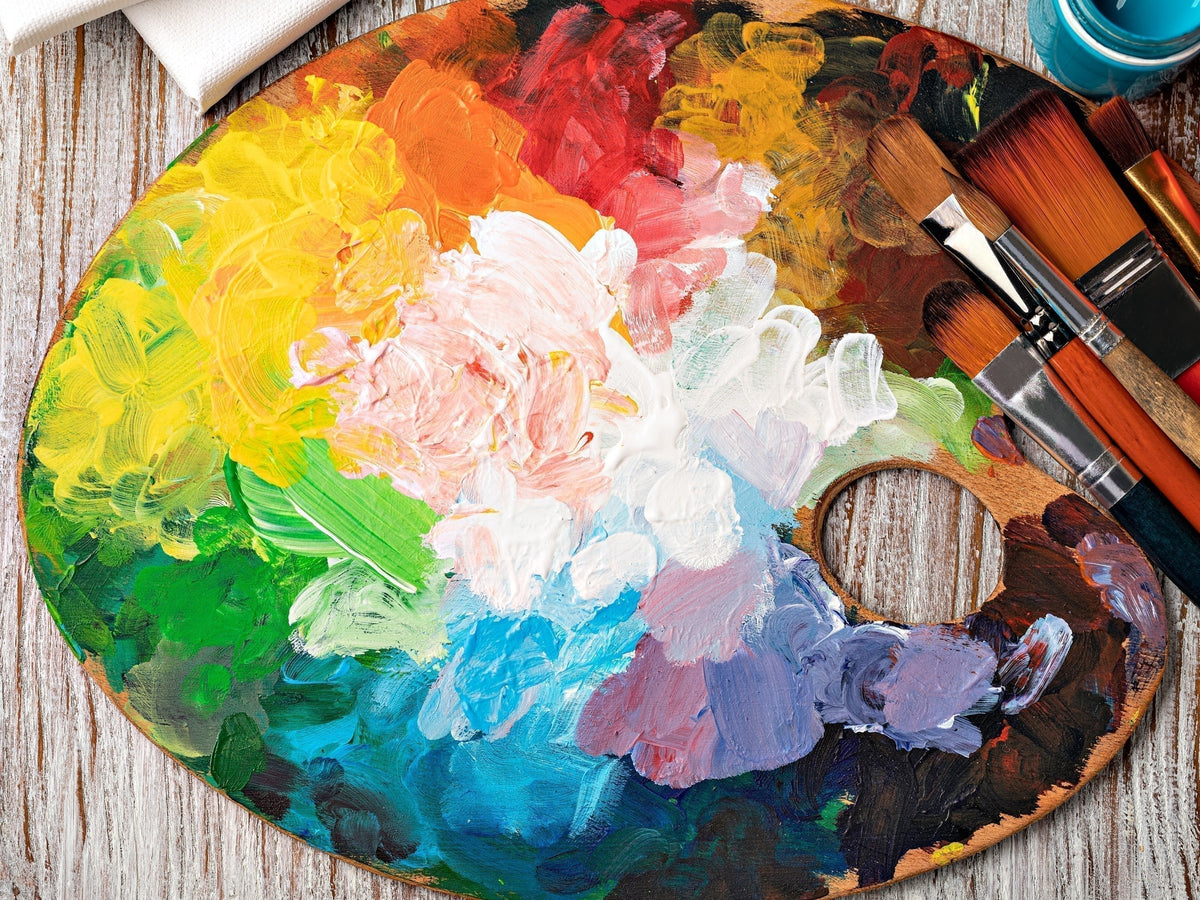
On this page
Color Psychology for Wall Art: the Quick Answer
Start with the room's purpose and the feeling you want to support. Cool blues, greens, and muted neutrals often create a quieter impression; terracotta, gold, coral, and other warm tones can feel more energetic or social. For a balanced result, let one color lead, one support it, and one act as an accent.
Choose the mood first, then choose the palette.
Color can strongly influence how artwork reads in a room, but there is no universal formula that makes one hue calming or another energizing for every person. Context matters: light, surrounding materials, saturation, contrast, scale, and personal associations all shape the result.
That makes wall art useful as a design tool. Instead of matching a sofa color exactly, choose artwork that supports the atmosphere you want the room to have.

Why Color Psychology Matters in Wall Art
People often respond to color before they consciously analyze an image. A pale blue landscape may read as quieter than a high-contrast orange composition, while earthy neutrals can feel visually grounded because they create less chromatic competition.
These responses are tendencies rather than guarantees. The same color can feel different depending on brightness, saturation, neighboring colors, cultural associations, and the room itself.
Use color psychology as a design lens, not a rigid rulebook.

Start with the Room and the Feeling
The old version of this guide included an interactive mood tool. The more useful long-term approach is simpler: decide what the room needs to do, then choose colors that support that purpose.
| Room | Common goal | Palette direction to consider |
|---|---|---|
| Bedroom | Quiet and restorative | Muted blue, sage, misty grey, soft neutral |
| Living room | Warm and welcoming | Sand, terracotta, muted gold, balanced blue-green |
| Home office | Focused and low-distraction | Slate, muted navy, sage, taupe, olive |
| Dining room | Warm and social | Terracotta, dusty rose, warm ochre, cream |
| Entry or hallway | Clear visual identity | One confident anchor color with restrained support tones |
Color Quality Depends on the Print, Too
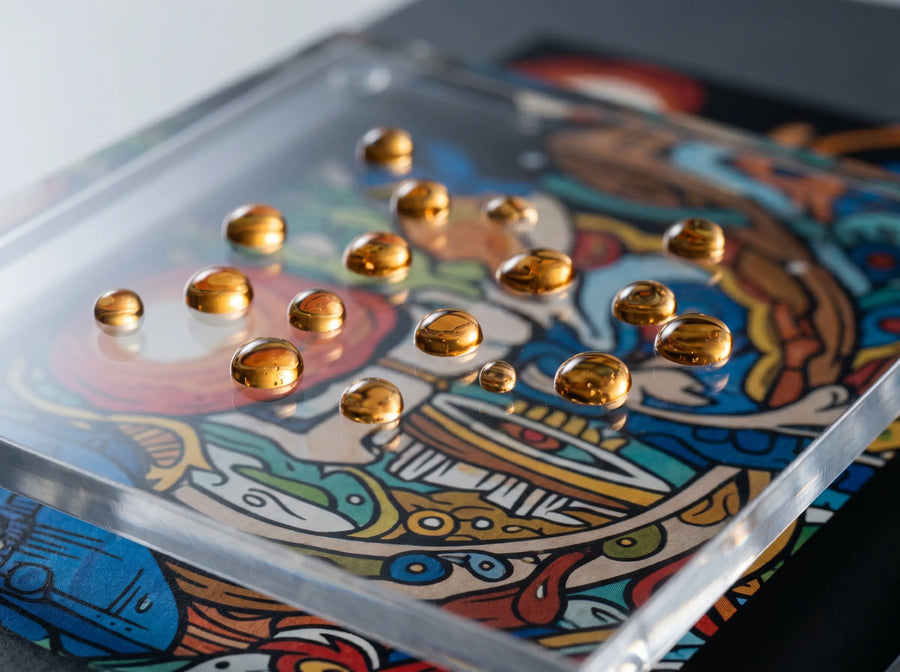
A palette can look different when the printing surface, ink set, finish, glazing, and room lighting change. Matte paper usually produces fewer distracting reflections than glossy surfaces, while glazing can introduce its own reflections.
For a broader material comparison, see our fine art paper vs canvas guide and our matte, satin, and glossy finish guide.
Cool Tones: Blue, Green, Sage, and Grey
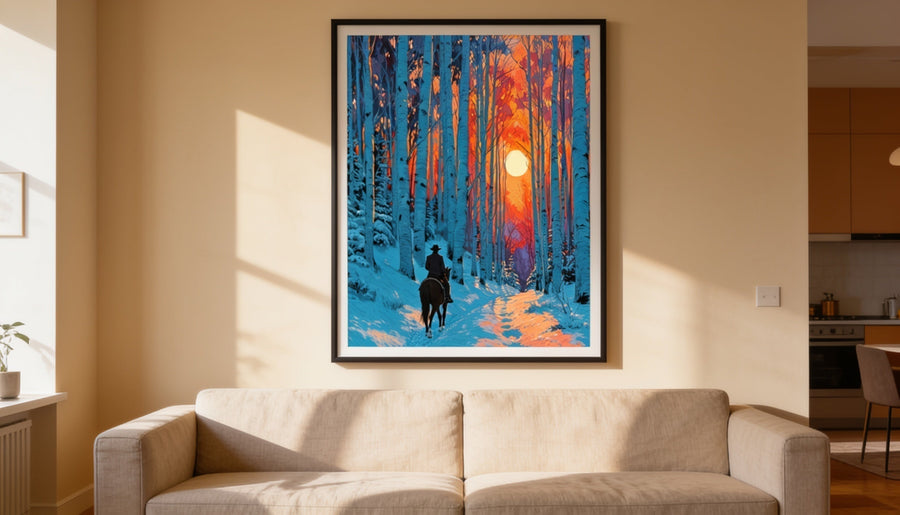
Cool palettes are often useful when you want a quieter visual field. Soft blues, muted greens, and blue-greys can work especially well in bedrooms, reading areas, bathrooms, and other spaces where you want the art to feel calm rather than assertive.
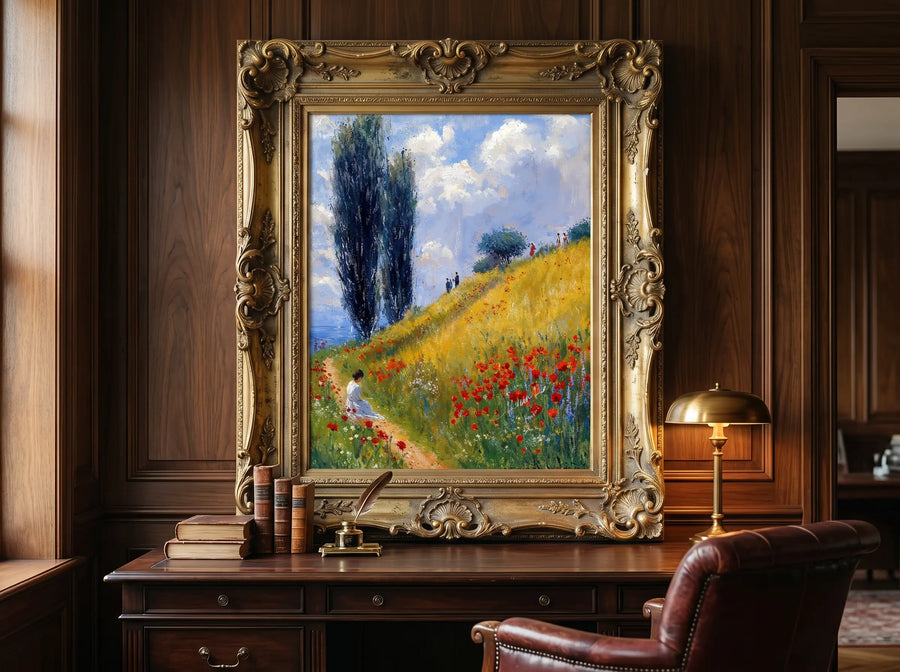
If the room already feels cold, balance cool artwork with warmer materials such as wood, cream textiles, brass, or a warm-neutral frame.

Warm Tones: Terracotta, Gold, Coral, and Red
Warm colors tend to feel more visually active, particularly at higher saturation. They can work well in living rooms, dining rooms, kitchens, and entry spaces where you want the artwork to feel welcoming or energetic.
The strongest results usually come from restraint. Instead of combining many equally intense colors, let one warm tone lead and use quieter supporting colors around it.

Neutrals and Earth Tones: Quiet, Grounded Color
Beige, taupe, warm grey, brown, olive, and sand create a lower-contrast palette that can feel calm and adaptable. They work particularly well when the room already contains strong architectural materials such as wood, stone, linen, or plaster.
Subtle palettes also make print surface more noticeable, so paper texture and finish become part of the visual experience.

Room-by-Room Color Roadmap
| Room | If you want it to feel… | Try | Be careful with |
|---|---|---|---|
| Bedroom | Restful | Misty blue, sage, soft grey | Large areas of highly saturated warm color |
| Living room | Warm and social | Sand, terracotta, muted gold | Too many competing accent colors |
| Home office | Focused | Slate, muted navy, olive, taupe | Very busy, high-contrast palettes |
| Dining room | Inviting | Terracotta, rose, ochre, cream | Flat lighting that distorts the palette |
The Three-Color Rule for Wall Art
A simple way to judge a palette is to identify three color roles:
| Role | Purpose | Example |
|---|---|---|
| Anchor | Sets the dominant visual mood | Sage, terracotta, navy, sand |
| Support | Balances the anchor | Cream with terracotta, grey with blue |
| Accent | Adds contrast and focal energy | Gold, coral, deep green |
This is not a law of composition, but it is a useful buying shortcut when you want the artwork to feel coherent instead of visually busy.
How Artwork Size Changes Color Impact
Color becomes more dominant as the artwork gets larger. A saturated accent that feels playful in a small print can become the main visual event at 24×36 inches or larger.
For large pieces, consider both palette and proportion. Our aspect ratio guide explains print proportions, while our wall-art proportion guide helps with scale above furniture.
A Five-Second Color Check
- Want quieter? Start with muted blue, green, sage, grey, or soft neutral.
- Want warmer? Try terracotta, ochre, coral, dusty rose, or gold.
- Want lower distraction? Look at slate, taupe, muted navy, olive, or tonal neutrals.
- Want balance? Identify one anchor, one support color, and one accent.
Common Color Mistakes
Matching the sofa exactly
Artwork does not need to repeat the furniture color. Often it is more effective when it relates through temperature, value, or one shared accent.
Using too many equally strong colors
When everything competes for attention, the artwork can feel restless. Give one color visual priority.
Ignoring room lighting
Warm bulbs, cool daylight, direct sun, and reflective glazing can all change how a palette appears.
Choosing the palette before the mood
Decide what you want the room to feel like first, then choose the artwork.
Ignoring material and finish
Paper, canvas, glazing, and surface finish affect contrast, reflection, and perceived saturation.
Frequently Asked Questions
What colors work well for bedroom wall art?
Muted blues, greens, sage, soft greys, and quiet neutrals are common choices when you want the room to feel visually calm. Personal preference and existing room colors still matter.
How many colors should wall art have?
There is no fixed limit. As a practical buying shortcut, three dominant roles—anchor, support, and accent—can make a palette easier to coordinate.
What colors work well for living room art?
Warm neutrals, terracotta, muted gold, olive, blue-green, and soft accent colors can all work. Choose according to the atmosphere and materials already in the room.
Does print quality affect how colors look?
Yes. Paper or canvas surface, ink, finish, glazing, and room lighting can all change perceived saturation, contrast, and glare.
Choose the Feeling Before the Color
The most useful way to apply color psychology to wall art is not to memorize rigid meanings for individual hues. Start with the room's purpose, decide how active or quiet you want the visual atmosphere to feel, and then choose an artwork palette that supports that goal.
When the palette, print material, scale, and room lighting work together, the result feels intentional rather than merely coordinated.
Art worth living with


